


 Digital Sovereignty
 Parliamentary Amendments
 Entrepreneurship, religion and democracy
 Agribusiness and Politics
 Evangelical Women and Democracy
 Working Hours, Economic Growth and Well-Being
 Oil and the Energy Transition
 Transportation and Delivery Platforms
 Public Security and Democracy
 Regulation of Social Media Platforms and the Marco Civil da Internet
 Freedom of expression and action of the Judiciary
 Sustainable Agribusiness
 Deforestation in the Cerrado
 Latin America Between China and the United States
 New wave of populism: radical right-wing movements
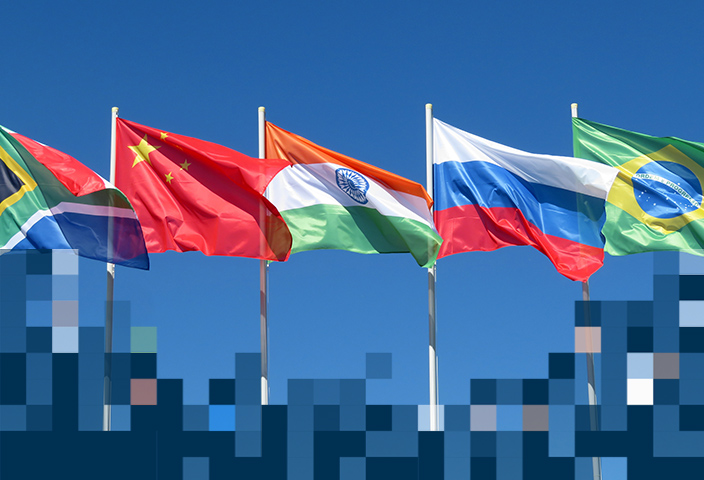 BRICS and the new multipolar global order
 Artificial Intelligence and the Environment
 The Brazilian political system and the quality of democracy
 Environment and Development
 Digitalisation and the job market
 The relationship between State and religion
 Artificial Intelligence, Democracy and Public Policy
Latin America Between China and the United States
The ninth season of the series Vale a Pena Perguntar examines the challenges faced by Latin American countries—which are largely unintegrated with one another—in dealing with the rivalry between China and the United States in the region.
The two major powers have economic and geopolitical interests in Latin America, a region that the United States tends to view as its “backyard” and in which the Chinese are increasingly present, as investors and importers of agricultural and mineral commodities. How will Latin America, in general, and Brazil, in particular, act in this new international context?
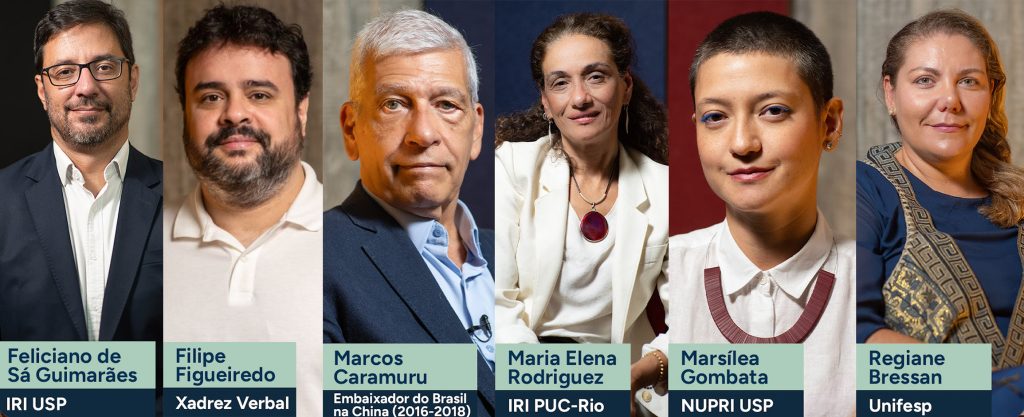
To reflect on this and other issues, the Fundação FHC spoke with six experts. The interviews, conducted by the Center for Studies and Debates—coordinated by Beatriz Kipnis and comprising Isabel Penz and Alice Noujaim—were organized into four thematic mini-documentaries and two short clips.
Vale a Pena Perguntar – the future depends on good questions.
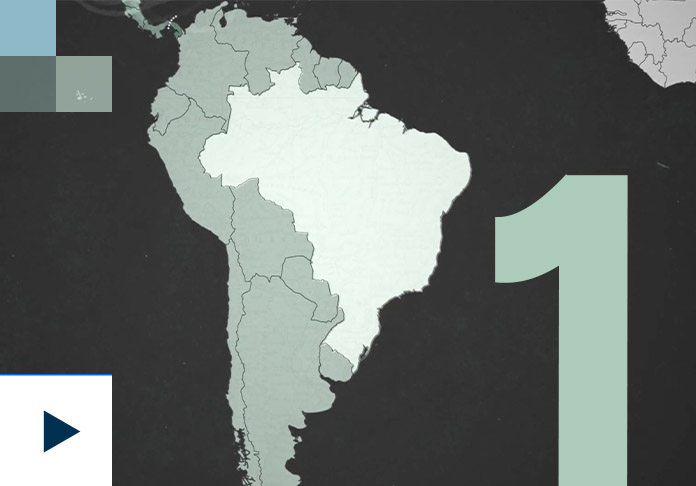
Regional Integration in Latin America and Brazil
Why has regional integration in Latin America made little progress, even in the face of common problems? This episode discusses the challenges of cooperation among countries in the region, now marked by the conflicting influence of the U.S. and China.
The U.S. and Latin America: From the Monroe Doctrine to ‘Donroe’
How has U.S. influence in Latin America changed over time? This episode explains the historical trajectory of this relationship, from the Monroe Doctrine to the Cold War, from the “pink tide” to the ‘Donroe’ Doctrine.
China and Latin America: A New Dependency?
How did China become one of the main economic players in Latin America? This episode analyzes China’s expansion in the region from the early 2000s to the present, from the commodities boom to investments in infrastructure, technology, and services.
China or the US: Does Latin America Have to Choose?
Faced with the rivalry between China and the US, how can Latin America and Brazil position themselves? The episode explores the risks of automatic alignments, the importance of Latin American natural resources to the global economy, and the pressures exerted on the region.

Spheres of Influence Then and Now, with Filipe Figueiredo
Explores the evolution of the concept of spheres of influence in geopolitics, from the Congress of Vienna in the 19th century to the conflicts of the 21st century.
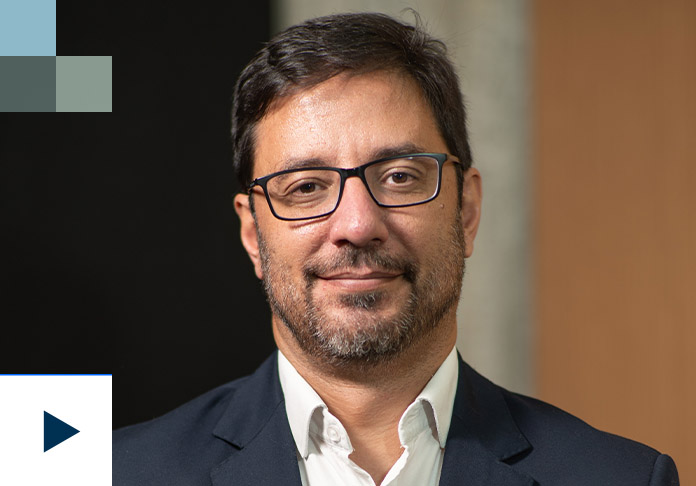
Brazil and Argentina: The Barometer of Mercosur, with Feliciano de Sá Guimarães
Analyzes the trajectory of Mercosur, with its crises and advances, and the central role of the relationship between Brazil and Argentina in sustaining the bloc.
Experts interviewed:
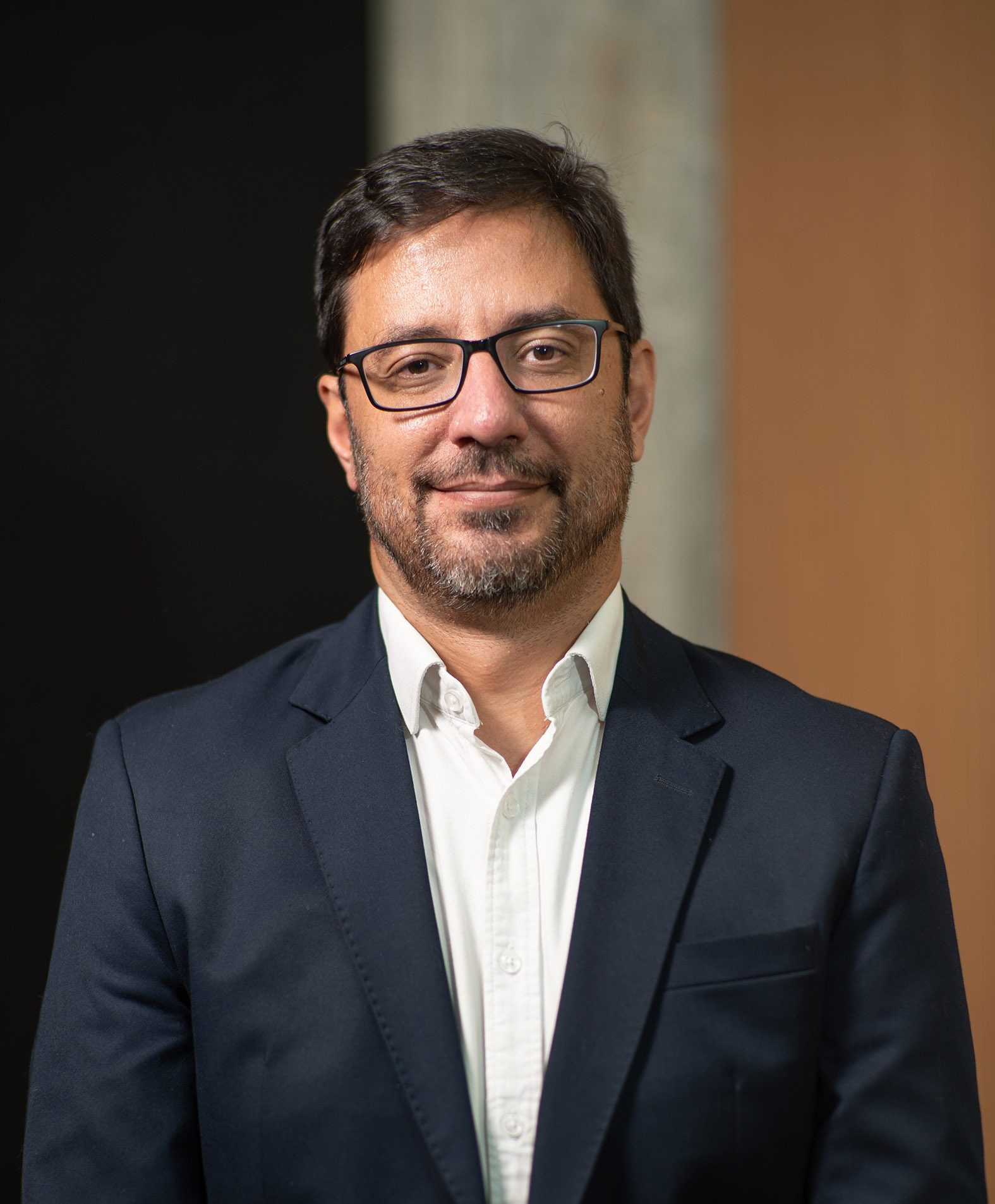
Feliciano de Sá Guimarães
Professor at the Instituto de Relações Internacionais da Universidade de São Paulo (USP). Ph.D. in Political Science from USP.

Filipe Figueiredo
Historian from the Universidade de São Paulo (USP), international politics columnist for the newspaper O Estado de S.Paulo, and creator of the Xadrez Verbal podcast.
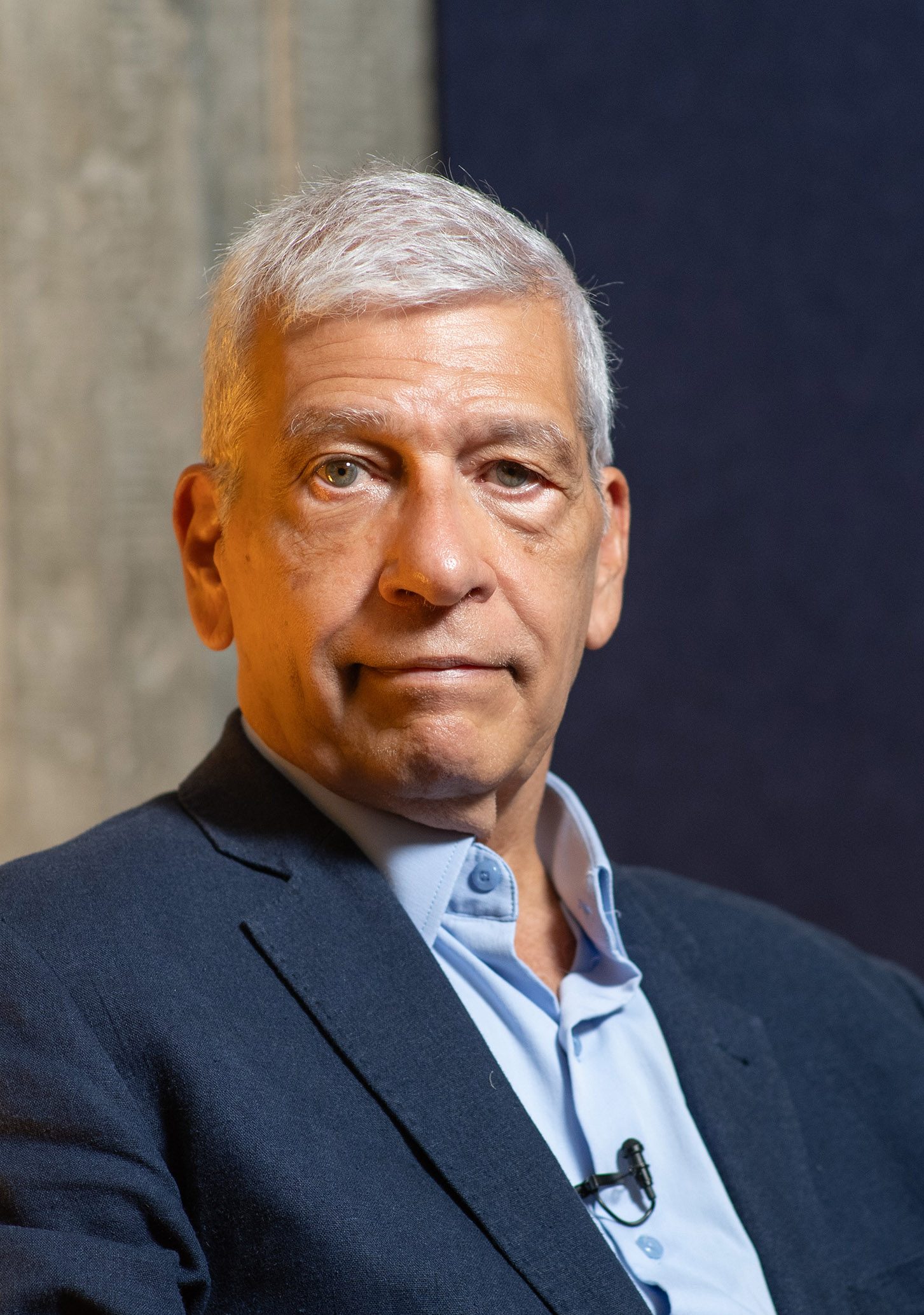
Marcos Caramuru
A career diplomat, he served as Brazil’s ambassador to China (2016–2018) and Malaysia, and as Consul General in Shanghai. He served as Secretary of International Affairs at the Ministry of Finance, was Executive Director at the World Bank, and President of COAF. He holds a degree from the Instituto Rio Branco (IRBr) and a degree in Business Administration from the Universidade Federal do Rio de Janeiro (UFRJ).

Maria Elena Rodriguez
Professor at the Instituto de Relações Internacionais da PUC-Rio and Deputy Director of the BRICS Policy Center. She holds a Ph.D. in Sociology from IESP-UERJ and a Master’s degree in International and Development Studies from the Graduate Institute (Switzerland).

Marsílea Gombata
Professor of International Relations at the Fundação Armando Álvares Penteado (FAAP). Researcher at the Center for Research in International Relations at USP (NUPRI) and the Centro Brasileiro de Análise e Planejamento (Cebrap). She holds a Ph.D. in Political Science from the Universidade de São Paulo (USP).

Regiane Bressan
Associate Professor at the Universidade Federal de São Paulo (Unifesp) and the San Tiago Dantas Graduate Program in International Relations (Unesp, Unicamp, PUC-SP). Current president of the Fórum Universitário do Mercosul (FOMERCO) and researcher at the Observatório de Regionalismo (ODR). She holds a Ph.D. and a Master’s degree in Latin American Integration from the Universidade de São Paulo (PROLAM-USP).