


 Digital Sovereignty
 Parliamentary Amendments
 Entrepreneurship, religion and democracy
 Agribusiness and Politics
 Evangelical Women and Democracy
 Working Hours, Economic Growth and Well-Being
 Oil and the Energy Transition
 Transportation and Delivery Platforms
 Public Security and Democracy
 Regulation of Social Media Platforms and the Marco Civil da Internet
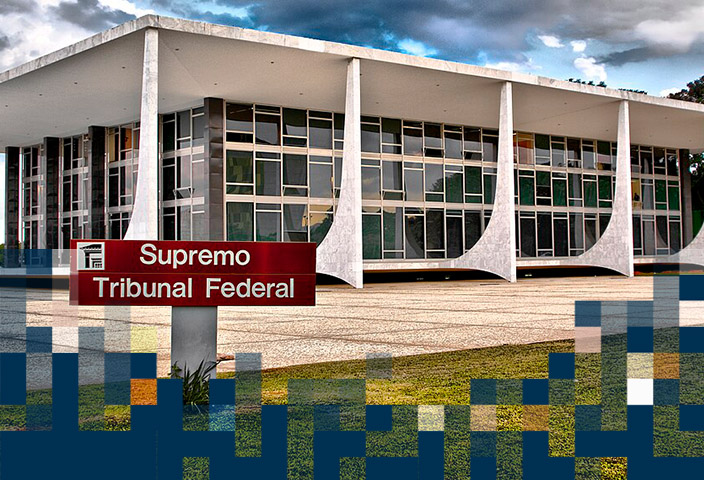 Freedom of expression and action of the Judiciary
 Sustainable Agribusiness
 Deforestation in the Cerrado
 Latin America Between China and the United States
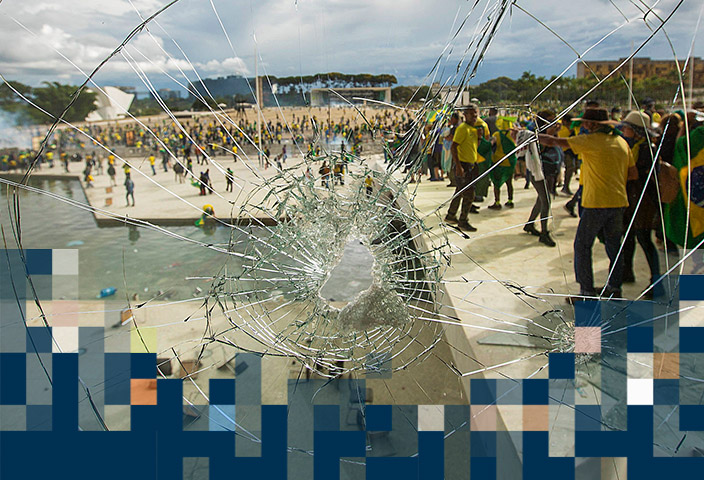 New wave of populism: radical right-wing movements
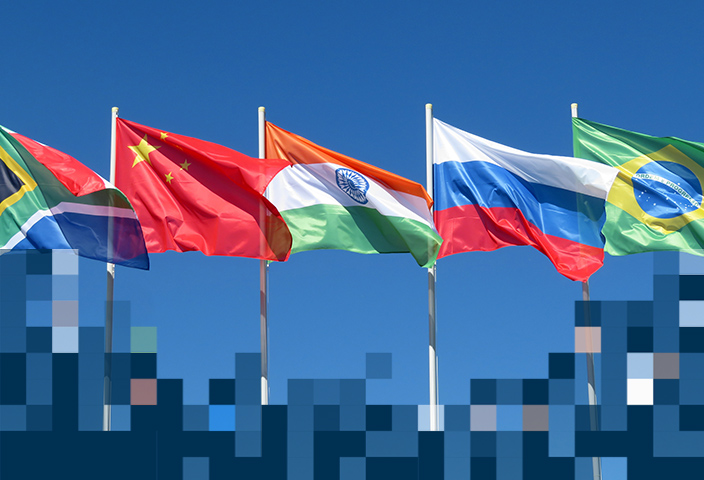 BRICS and the new multipolar global order
 Artificial Intelligence and the Environment
 The Brazilian political system and the quality of democracy
 Environment and Development
 Digitalisation and the job market
 The relationship between State and religion
 Artificial Intelligence, Democracy and Public Policy
New wave of populism: radical right-wing movements
The world is facing a wave of radical right-wing populism, and Brazil has not been left out of this process. The far right is no longer a fringe political force and is increasingly capable of influencing public debate, contesting elections with a chance of winning, and, when in power, testing the limits of the democratic rule of law, in some cases putting democracy itself in check.
The eighth season of the series Vale a Pena Perguntar addresses the far right and how it acts to consolidate itself as a political force, with an institutional presence, a mobilized social base, and effective communication and power strategies.
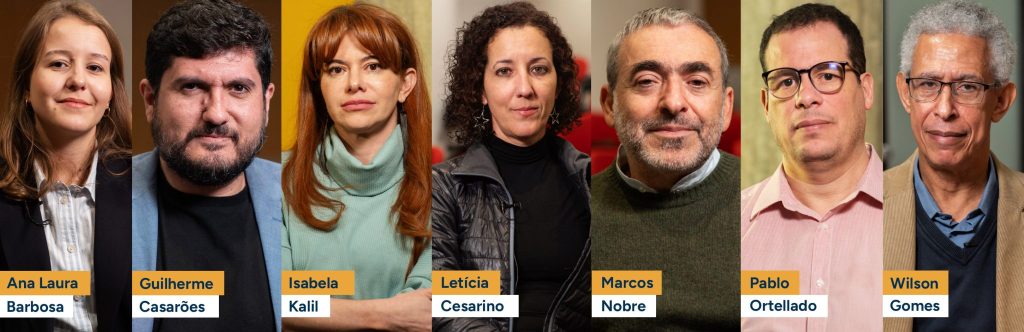
The videos feature reflections from experts (see below) that help to understand how the far right operates — in institutions, on the streets and online, in culture — and what risks it poses to Brazilian democracy.
Vale a Pena Perguntar – the future begins with good questions.
This season is divided into three episodes and three mini-episodes:
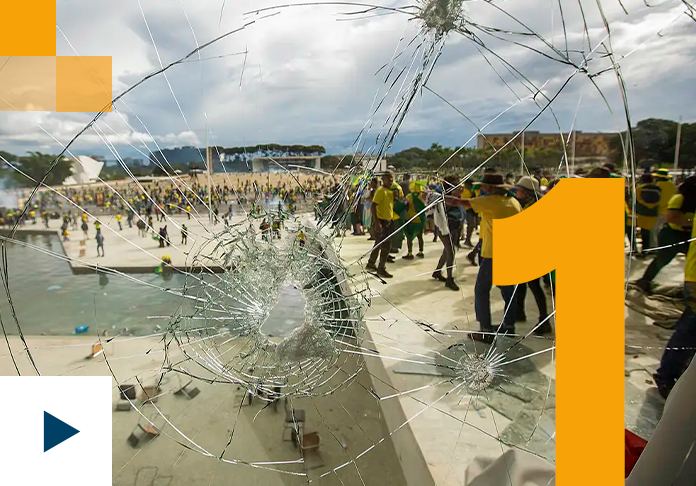
New populist wave: radical right-wing movements
What are the reasons that lead so many voters to lean toward the extreme right? This first episode addresses cultural wars, voter profiles, the power of conspiracy theories, and the dilemmas of democratic coexistence.
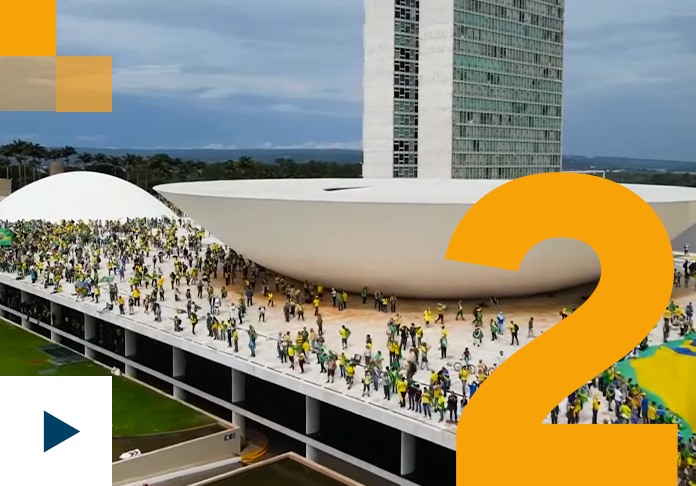
Bolsonarism and the radical right
What explains the strength of Bolsonarism in Brazil? This episode analyzes the origins of the phenomenon, its connection to religion, how it structured itself in power, and its strategies for occupying spaces in society.
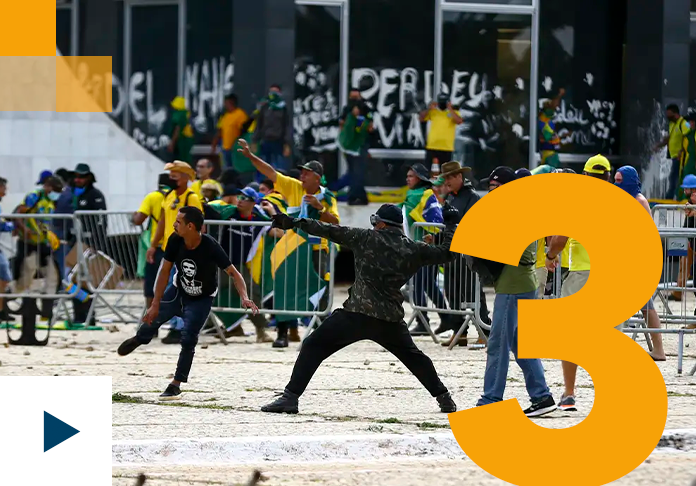
Networks and streets: mobilization of the radical right
How does the radical right relate to the digital environment? This episode explores the use of networks for political mobilization by radical right-wing populism and examines its relationship with big tech companies.
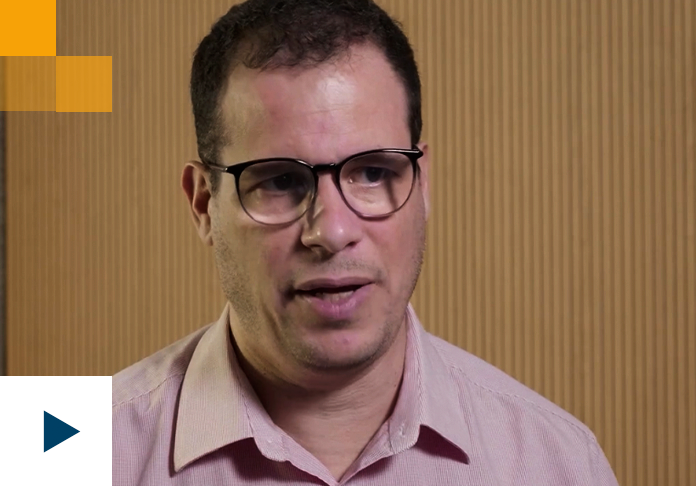
Affective polarization and political identities, with Pablo Ortellado
Describes the phenomenon of affective polarization and how it is based on the growing antagonism between political identities.
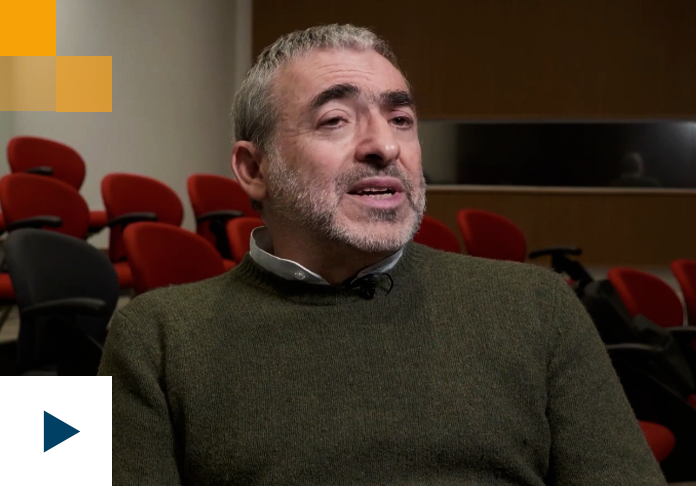
Bolsonaro’s Digital Party, with Marcos Nobre
Explains what the so-called Bolsonaro Digital Party is, how it works, and why it is different from traditional parties.
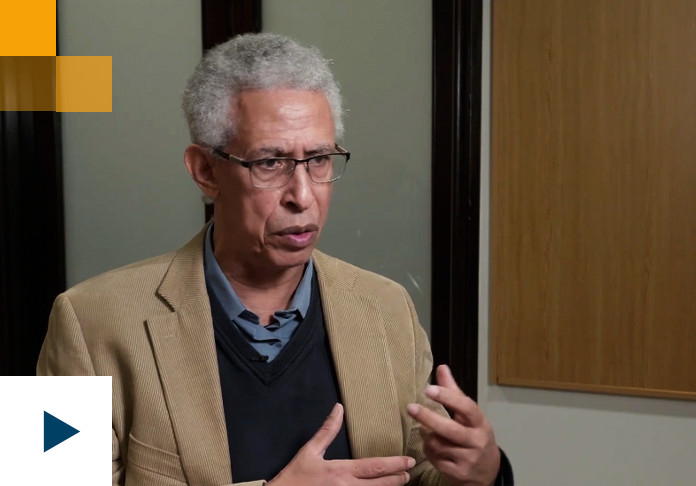
Tolerance and democracy, with Wilson Gomes
Reflects on the place of tolerance as a core value for democracies.
Experts interviewed:
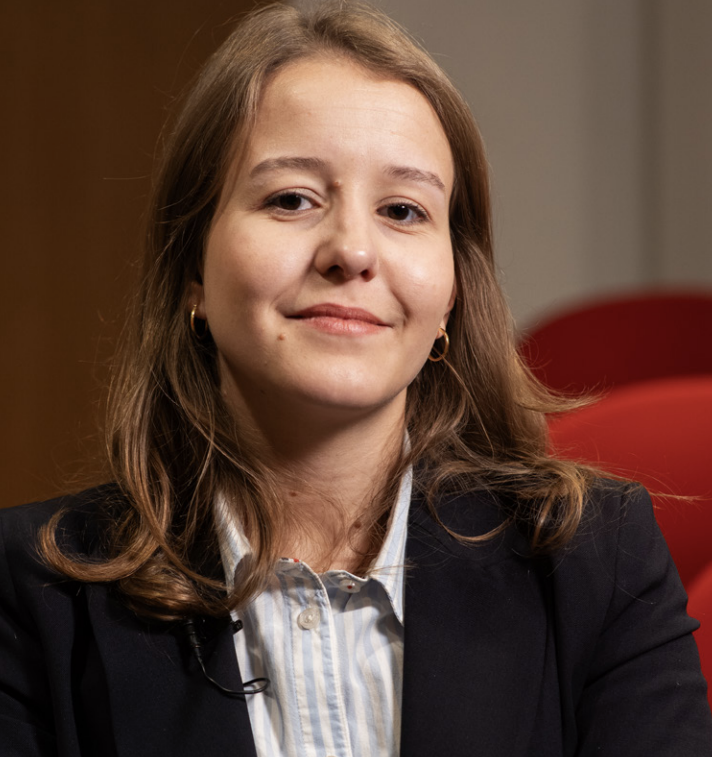
Ana Laura Barbosa
Professor of Constitutional Law at the Escola Superior de Propaganda e Marketing (ESPM).
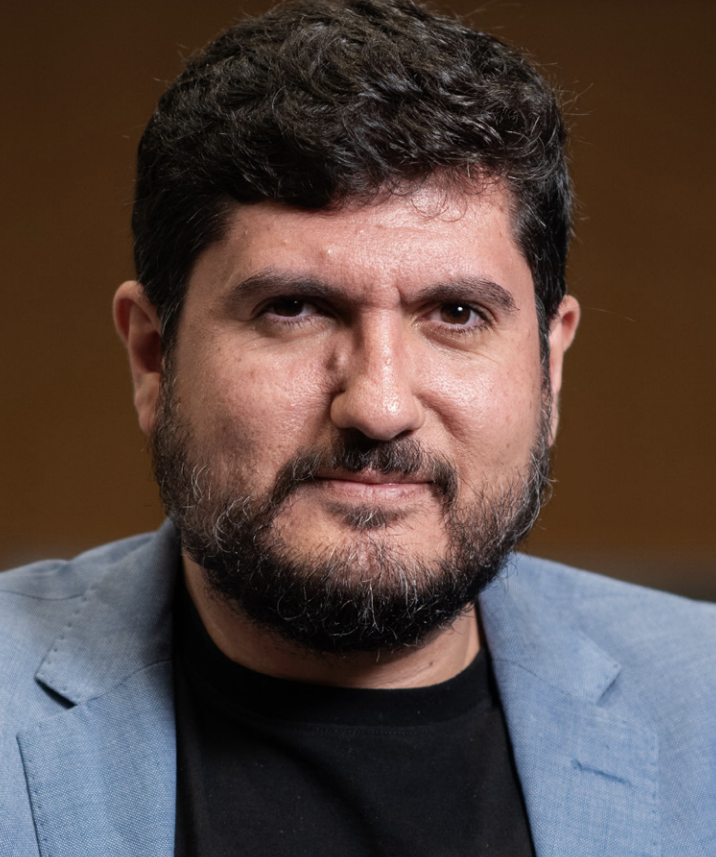
Guilherme Casarões
Professor of Brazilian Studies at Florida International University and coordinator of the Observatório da Extrema Direita (OED).
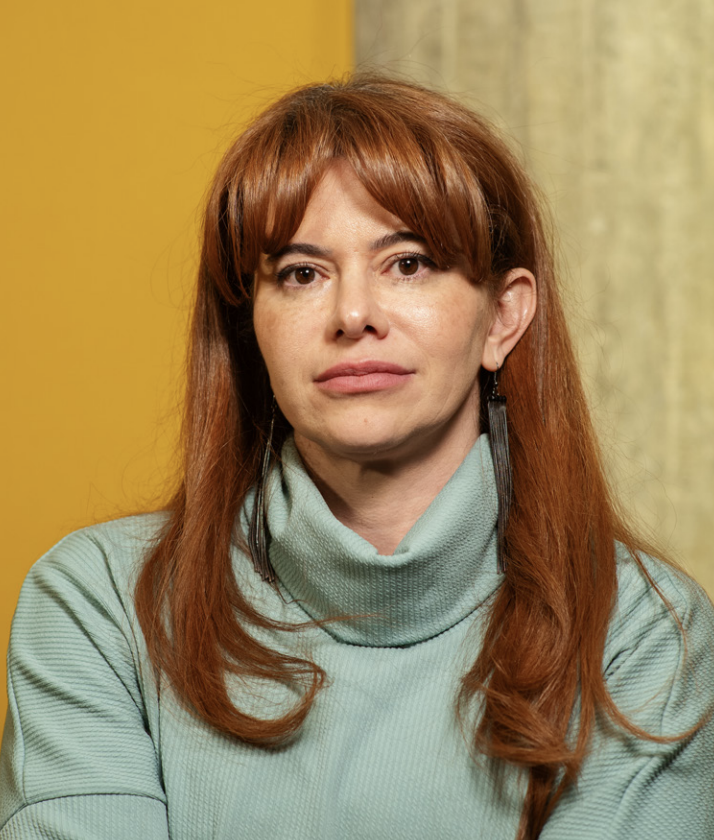
Isabela Kalil
Professor of Political Science and Anthropology at the Fundação Escola de Sociologia e Política de São Paulo (FESPSP) and coordinator of the OED.
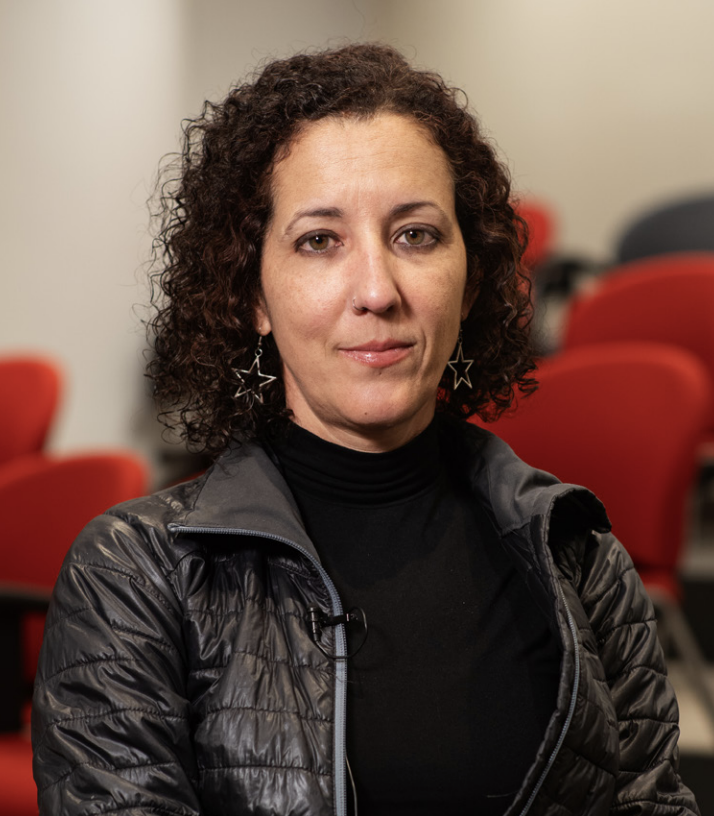
Letícia Cesarino
Adjunct professor in the Department of Anthropology and the Graduate Program in Social Anthropology at the Universidade Federal de Santa Catarina (UFSC).
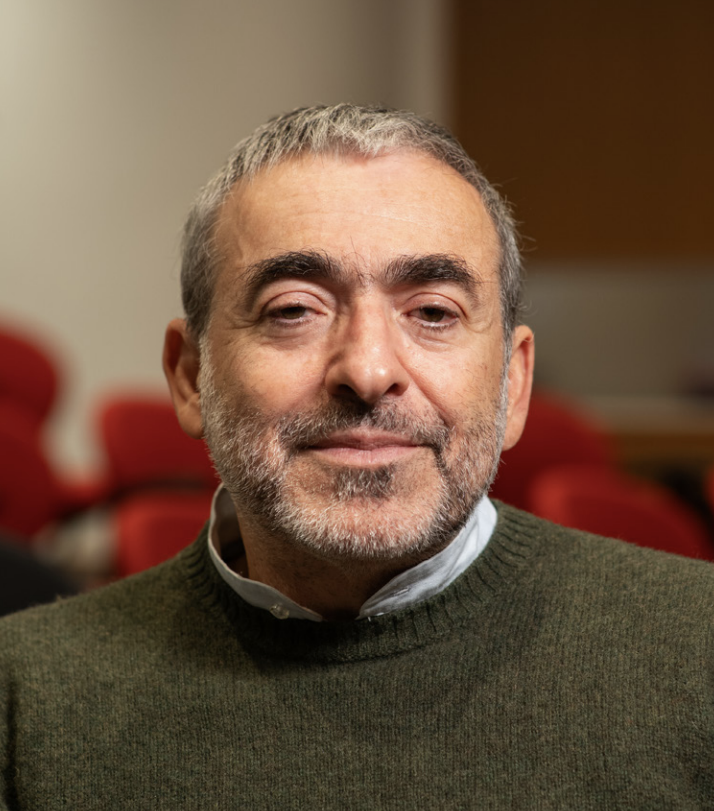
Marcos Nobre
Professor of Political Philosophy at the Universidade Estadual de Campinas (Unicamp) and researcher at the Centro Brasileiro de Análise e Planejamento (Cebrap), where he directs the Centro para Imaginação Crítica(CCI).
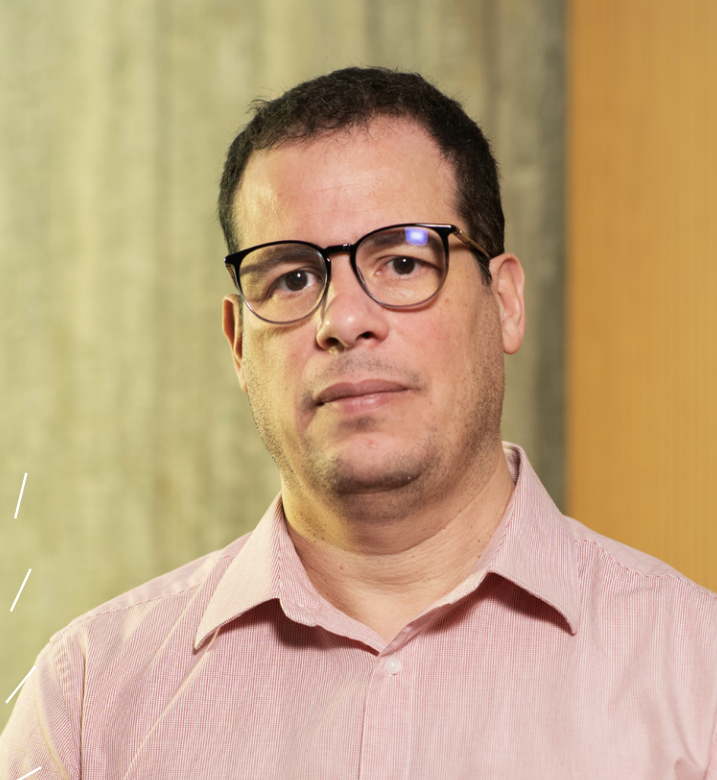
Pablo Ortellado
Professor of Public Policy Management at the Escola de Artes, Ciências e Humanidades da Universidade de São Paulo (EACH-USP).
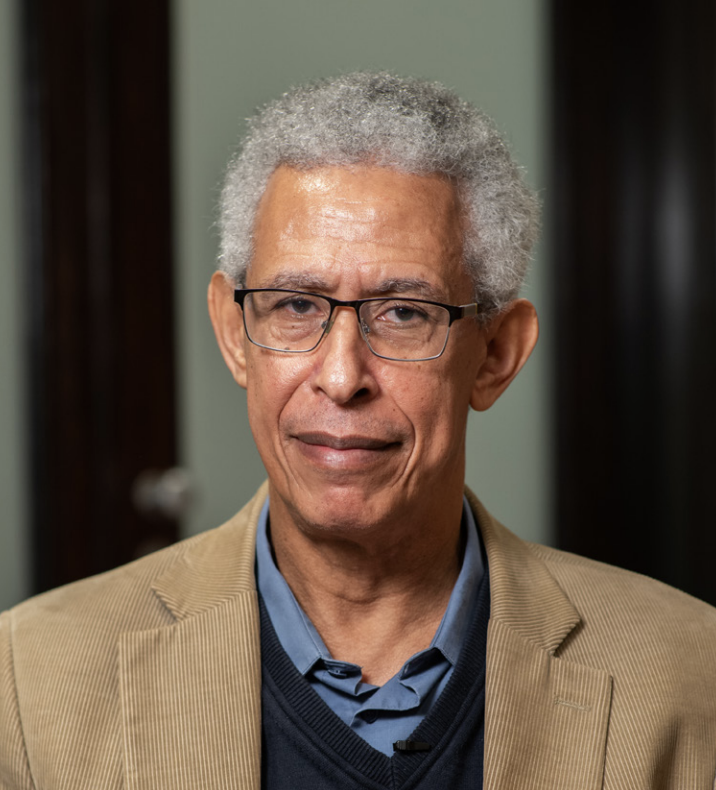
Wilson Gomes
Professor at the School of Communication at the Faculdade de Comunicação da Universidade Federal da Bahia (UFBA).