


 Digital Sovereignty
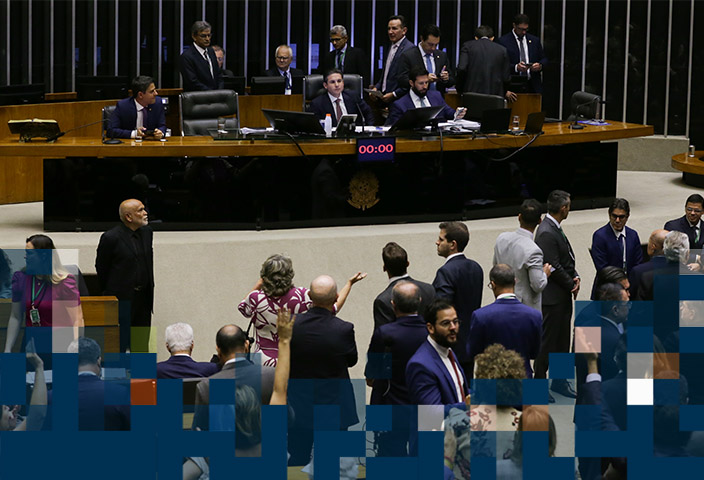 Parliamentary Amendments
 Entrepreneurship, religion and democracy
 Agribusiness and Politics
 Evangelical Women and Democracy
 Working Hours, Economic Growth and Well-Being
 Oil and the Energy Transition
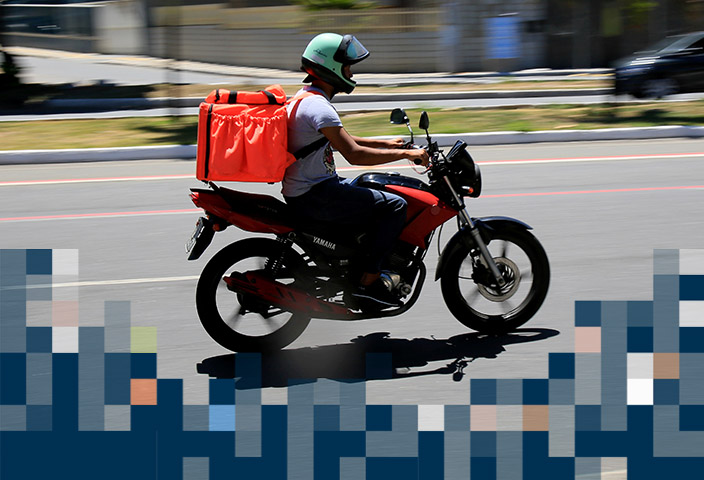 Transportation and Delivery Platforms
 Public Security and Democracy
 Regulation of Social Media Platforms and the Marco Civil da Internet
 Freedom of expression and action of the Judiciary
 Sustainable Agribusiness
 Deforestation in the Cerrado
 Latin America Between China and the United States
 New wave of populism: radical right-wing movements
 BRICS and the new multipolar global order
 Artificial Intelligence and the Environment
 The Brazilian political system and the quality of democracy
 Environment and Development
 Digitalisation and the job market
 The relationship between State and religion
 Artificial Intelligence, Democracy and Public Policy
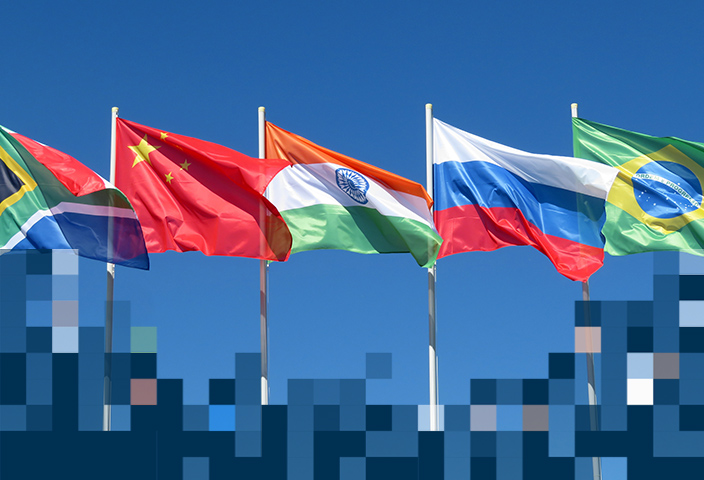
BRICS and the new multipolar global order
The seventh season of the FHC Foundation’s series of original mini-documentaries examines the paths, dilemmas and opportunities that Brazil’s participation in the BRICS represents, in a scenario marked by the intensification of the rivalry between the United States and China.
Brazil’s presence in such a diverse group raises important questions: what sustains the bloc’s cohesion? What are the implications of its recent expansion? And what is China’s real weight in BRICS decisions?
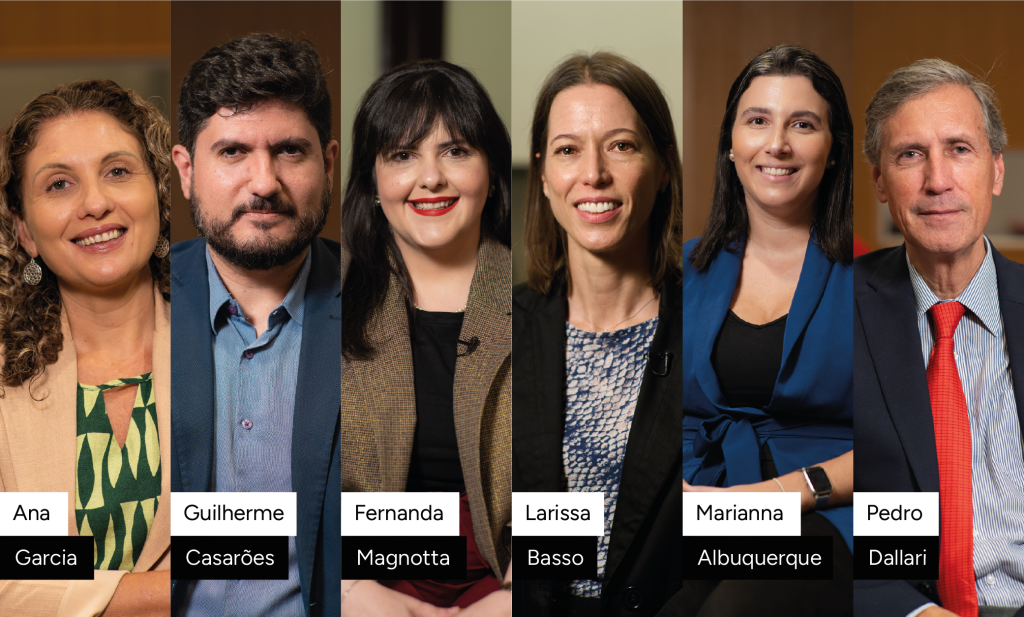
To reflect on these and other questions, six experts (see below) share their analysis in this new edition of Vale a Pena Perguntar.
Vale a Pena Perguntar – the future starts with good questions.
This season is divided into four episodes and four pills:
BRICS: a new multipolar global order?
Analyzes the trajectory, expansion and contradictions of the BRICS, showing how this heterogeneous bloc of emerging countries is trying to influence international governance.
Brazil in BRICS: presidency and contradiction
Explores the role of Brazil’s presidency in BRICS and its influence on agendas such as climate and energy transition. It discusses the country’s ongoing effort to assert its global relevance and the challenges of the bloc’s anti-Western image, influenced by Russia, China and new members.
BRICS economic power: de-dollarization and the New Development Bank
Analyses the BRICS’ economic limits and ambitions, with a focus on the de-dollarization agenda and the work of the New Development Bank (BRICS Bank). It explores the impact of global tensions on the bloc, such as the war in Ukraine and Trump’s election.
China’s role in BRICS: the power of the Global South
Discusses China’s role in BRICS and the geopolitical dilemmas that emerge from the asymmetry between members. Explores Brazil’s challenges in balancing economic dependence and the search for South-South alliances.
Venezuela in BRICS?
Guilherme Casarões analyzes the possible reasons behind Brazil’s decision to veto Venezuela’s entry into the BRICS.
BRICS and the energy transition
Larissa Basso gives an overview of the emissions profile of the BRICS countries, highlighting the bloc’s challenges in relation to the energy transition and Brazil’s role in leading this debate.
India and the energy transition
Marianna Albuquerque discusses India’s position on the energy transition and combating climate change, given its historical and geographical context.
Does BRICS represent the Global South?
Fernanda Magnotta talks about the concept of the Global South, its limits and advantages, and how it applies to the BRICS, given the ambiguity of countries like China and Russia.
Experts interviewed:
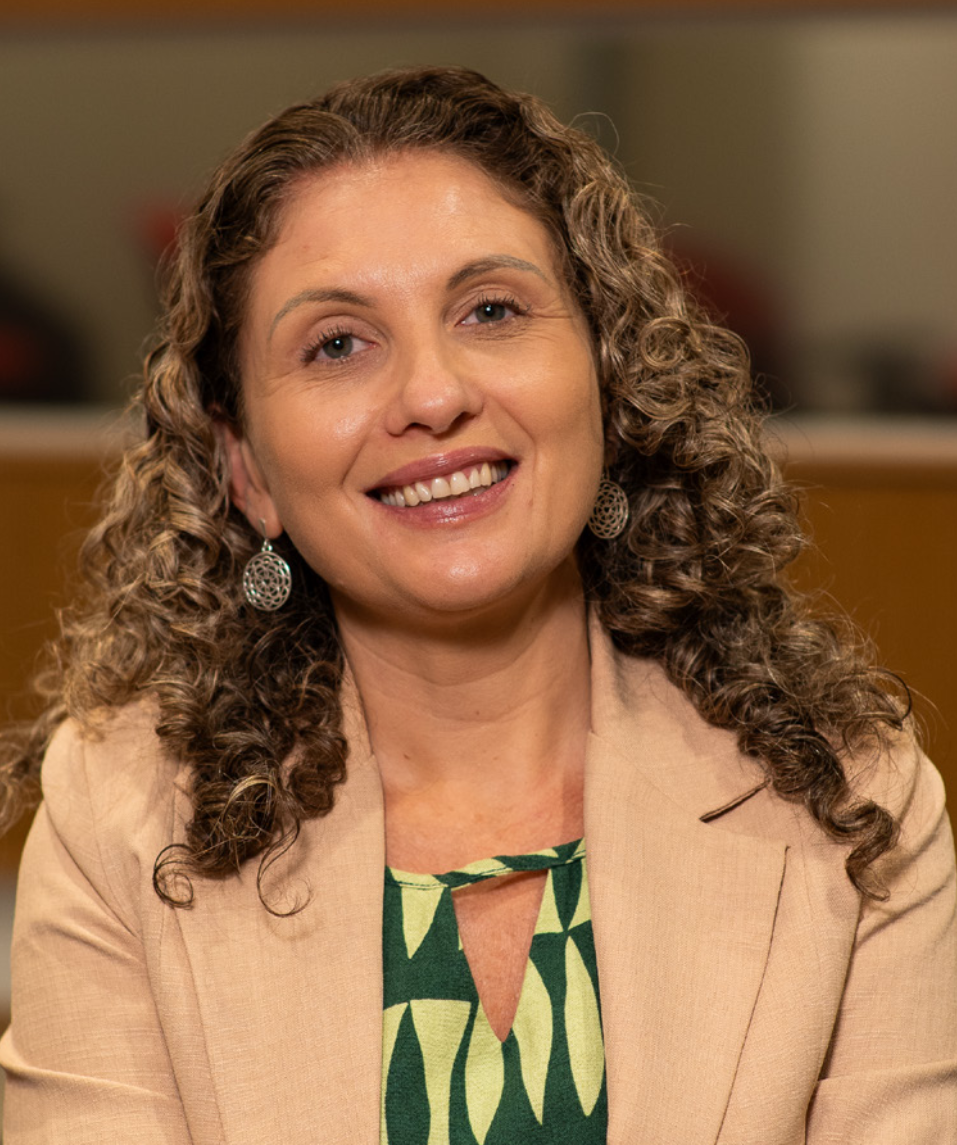
Ana Garcia
Adjunct Professor of International Relations and of the Postgraduate Program in Social Sciences in Development, Agriculture and Society (CPDA) at the Universidade Federal Rural do Rio de Janeiro. She is a member of the board of the Associação Brasileira de Relações Internacionais and an associate researcher at the BRICS Policy Center (PUC-Rio), where she was director between 2021 and 2023.
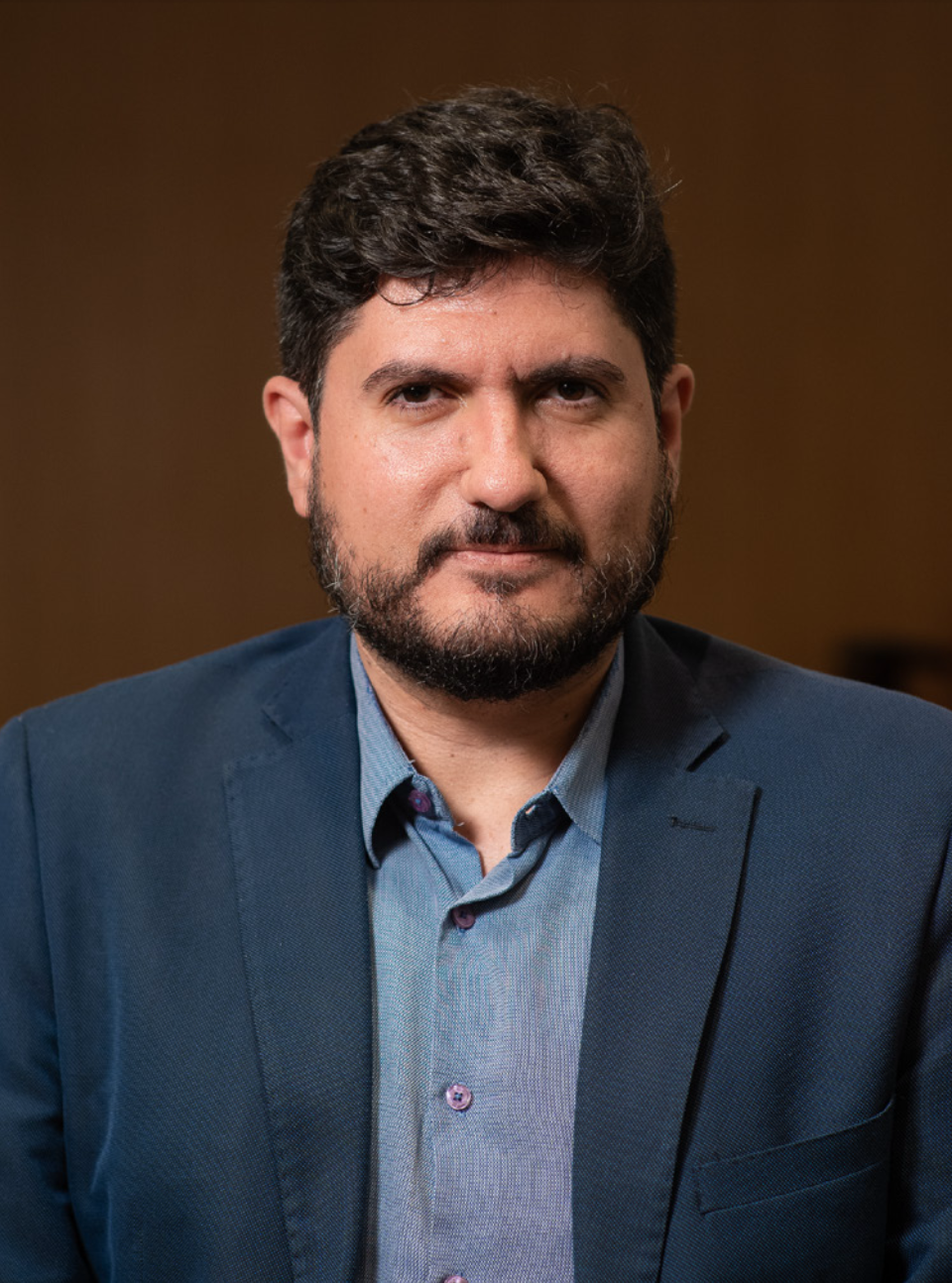
Guilherme Casarões
Political scientist and professor at FGV EAESP. He was a visiting professor at Brown University and is the coordinator of the Observatório da Extrema Direita. His research focuses on Brazilian foreign policy and the global far right.

Fernanda Magnotta
PhD from the San Tiago Dantas Program (UNESP/UNICAMP/PUC-SP), coordinator of International Relations at FAAP and Senior Fellow at CEBRI. She is an international analyst for CNN Brazil. She was a Fulbright Scholar at the University of Southern California and a Global Fellow at the Wilson Center.
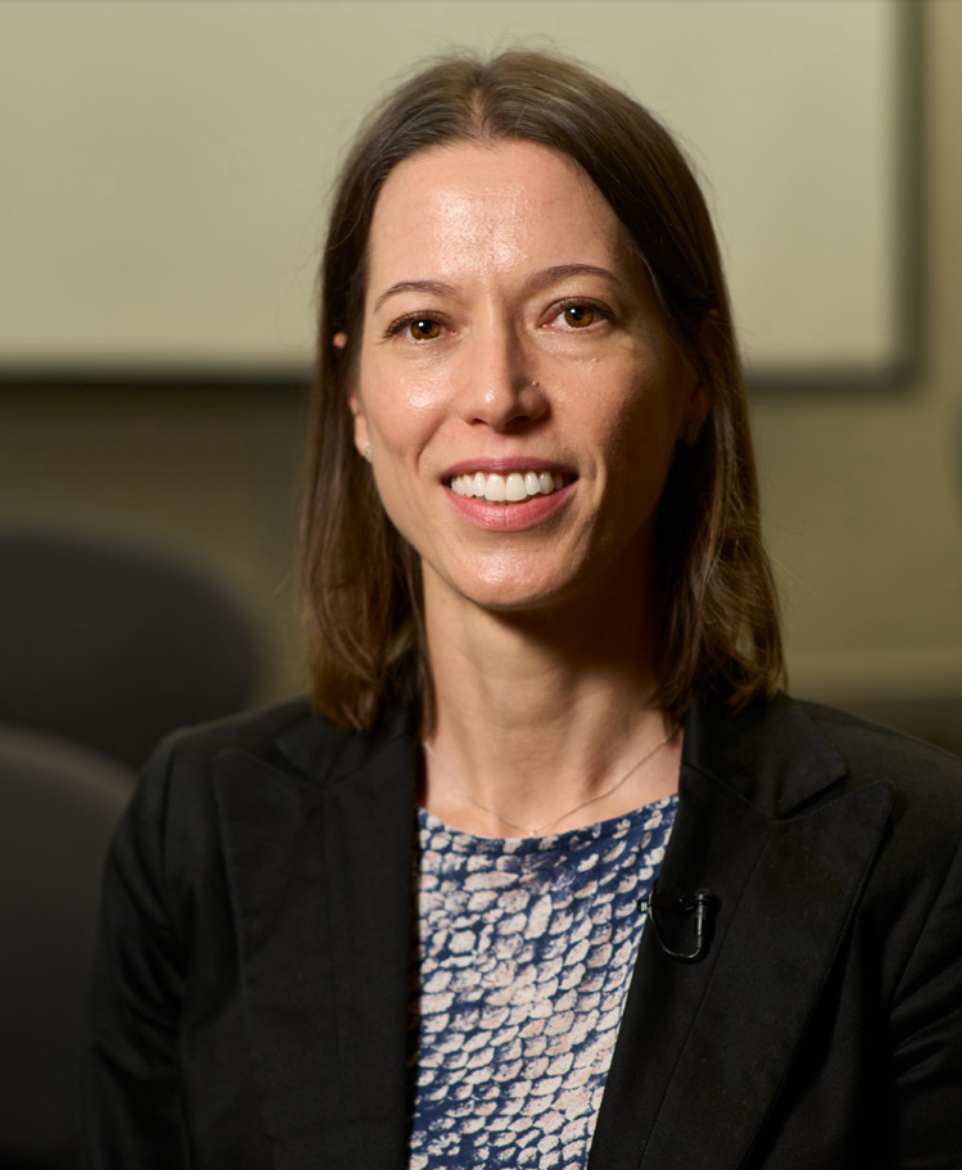
Larissa Basso
A researcher at Instituto de Estudos Avançados da USP, she holds a PhD in International Relations (UnB), a master’s degree in Environmental Public Policy (University of Cambridge) and International Law (USP), and a degree in Law (USP). She was a researcher at the University of California San Diego and Stockholm University and a consultant for Ipea. She has been working with environmental and climate policies, in international negotiations and domestic dynamics, since 2013.

Marianna Albuquerque
Professor at the Instituto de Relações Internacionais e Defesa da UFRJ, Senior Fellow at the Centro Brasileiro de Relações Internacionais and Raisina Fellow at the Observer Research Foundation (ORF-India). She has a post-doctorate in Military Sciences (ECEME) and a doctorate and master’s degree in Political Science (IESP-UERJ).
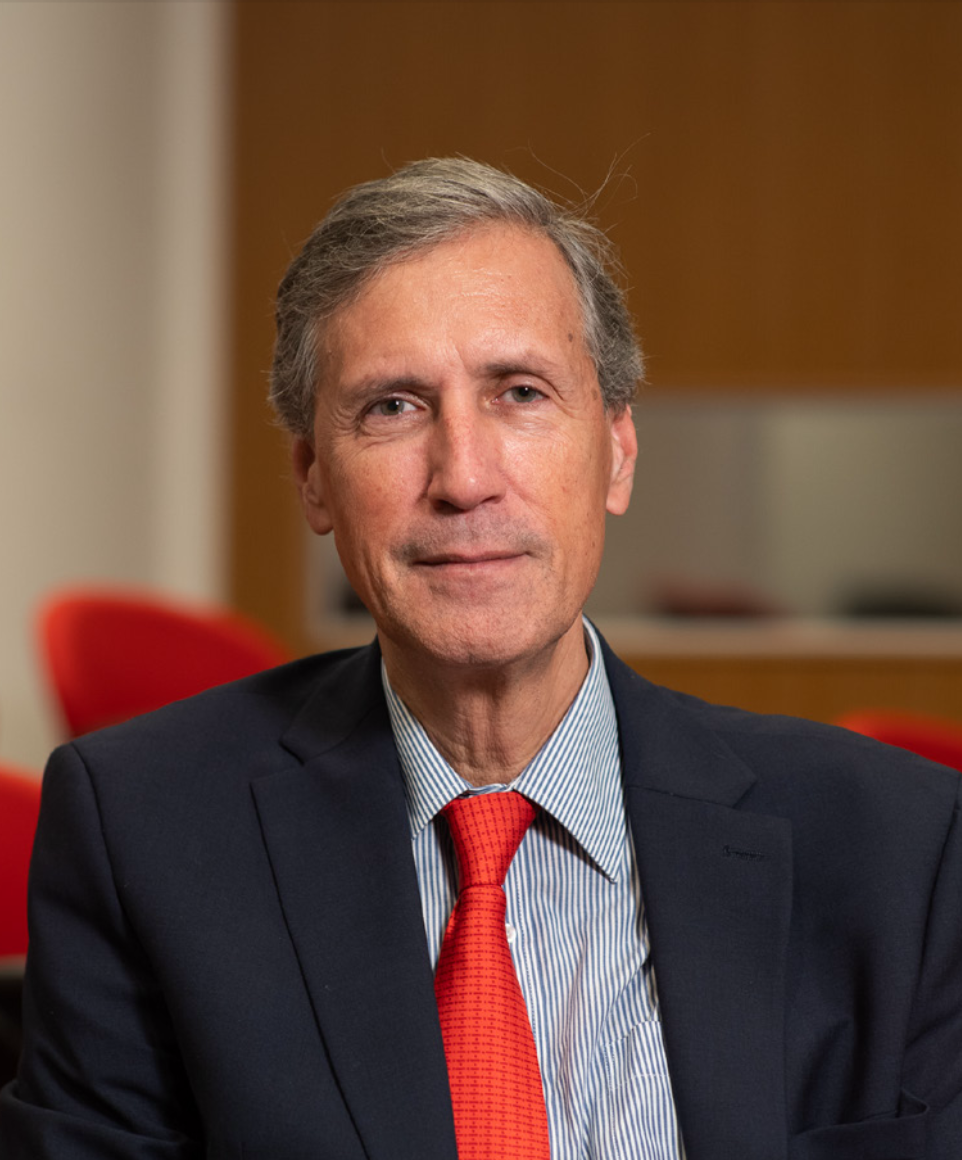
Pedro Dallari
A full professor of International Law at the Instituto de Relações Internacionais da Universidade de São Paulo and a member of the University’s Human Rights Commission, he has held specialized positions at the Organização dos Estados Americanos. He was a judge and president of the Administrative Tribunal of the Inter-American Development Bank and coordinated the Comissão Nacional da Verdade.